15 Things to Do Before Bringing Home a New Puppy
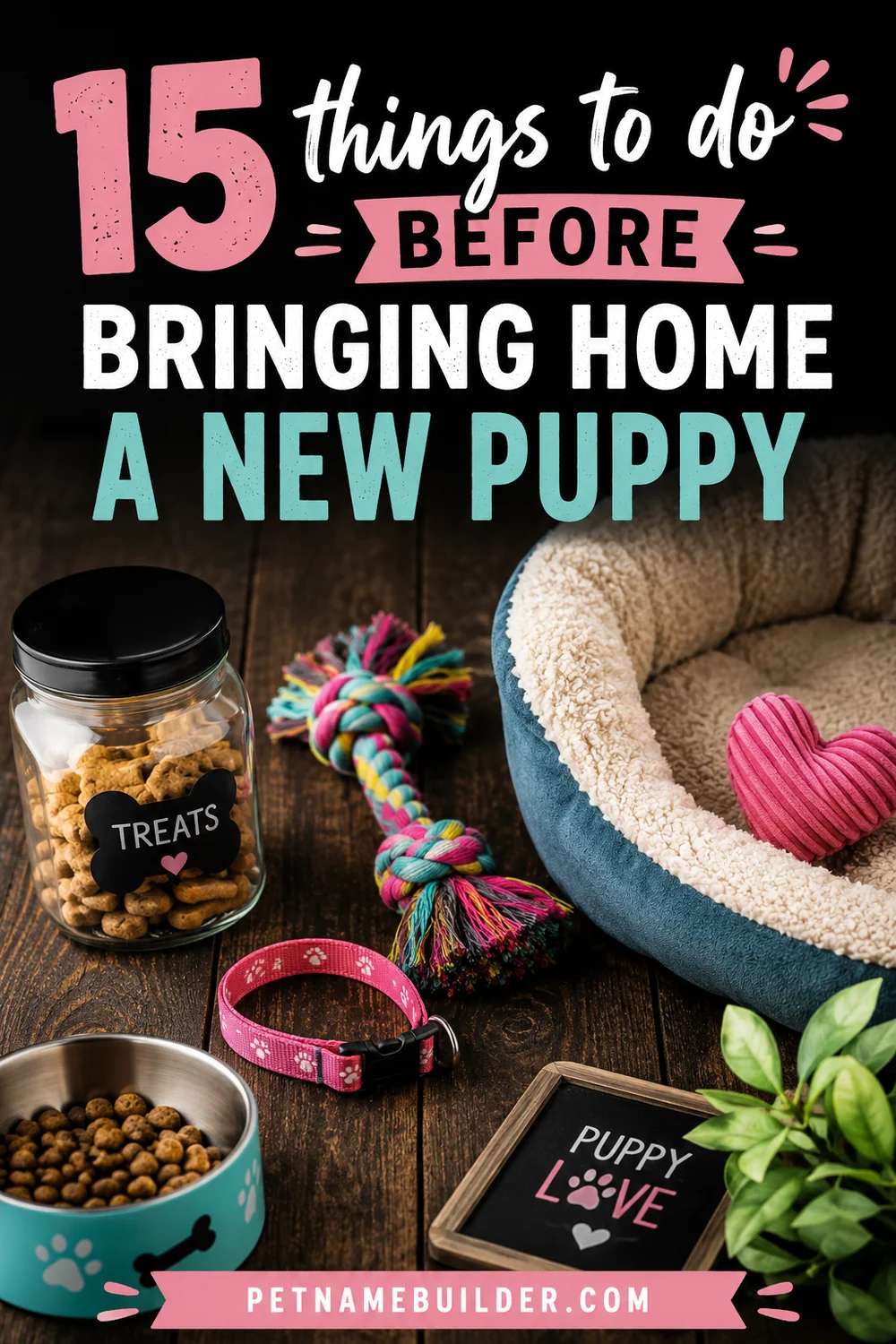
Be Ready Before Puppy Day — It Goes Fast
Bringing home a new puppy is one of the most exciting things you'll ever do — and one of the most disruptive, if you're not prepared. The first 24 hours set the tone for how your puppy adjusts to their new home, and the first few weeks establish habits and routines that can last the dog's entire life.
The good news: a little preparation goes a long way. These 15 tasks, done before your puppy arrives, will help you feel genuinely ready — not just excited. Work through them in the weeks leading up to pickup day and you'll be able to focus on the best part: actually enjoying your new family member.
1. Research Breeds or Rescue Options ⭐
Why it matters: The right dog for your life isn't just the cutest one — it's the one whose energy level, size, grooming needs, and temperament match your actual lifestyle. High-energy working breeds like Huskies and Border Collies need hours of daily exercise. Low-energy breeds like Basset Hounds are content with shorter walks. Research thoroughly, visit breed rescues, and talk to owners of any breed you're considering. Adopting from a rescue means mixed breeds are also wonderful options — often healthier and just as loving.
2. Choose Your Puppy's Name
Why it matters: Your puppy's name is the foundation of your relationship — it's the first word they'll learn to respond to, and it shapes how you talk to and about them for their entire life. Choose it before they arrive so you can start using it consistently from day one. Pet Name Builder is a free tool for browsing thousands of dog names by style, breed, and personality — you can search for something tough, cute, playful, vintage, or breed-specific all in one place. Trainers recommend names that are one or two syllables and end in a vowel sound (like Luna, Biscuit, or Max) because dogs respond to them more readily.
3. Puppy-Proof Your Home
Why it matters: Puppies explore the world with their mouths, and they are remarkably fast. Before your puppy arrives, get down on all fours and look for hazards at their level: loose electrical cords, toxic houseplants (philodendron, pothos, and lily are common offenders), small objects that could be swallowed, low cabinets with cleaning products, and accessible trash cans. Secure everything you don't want chewed, destroyed, or eaten.
4. Set Up the Sleeping Area
Why it matters: Deciding where your puppy will sleep before they arrive prevents a lot of inconsistency in the early days. A crate in your bedroom is a popular choice — it satisfies the puppy's instinct for a den-like space while keeping them close enough to hear (and comfort) them through the first nights. Whatever you choose, set it up fully before puppy day: crate pad, water source nearby, and a blanket that smells like their litter if possible.
5. Buy Essential Supplies
Why it matters: A pre-arrival shopping run prevents desperate last-minute trips with a whining puppy in the car. The basics: a crate appropriate for adult size (with a divider for now), food and water bowls, a collar with a tag, a 4–6 foot leash, puppy pads, enzymatic cleaner for accidents, a few safe chew toys, and a soft toy for comfort at night. Don't overbuy — puppies outgrow and destroy things fast.
6. Find a Veterinarian
Why it matters: Your puppy will need a vet visit within 48–72 hours of coming home for a health check and vaccine schedule review. Research vets in your area before puppy day — read reviews, ask other dog owners for recommendations, and choose one within a reasonable distance. Call ahead to confirm they're accepting new patients and that they're comfortable with puppies. Many puppies need a series of vaccines in the first few months, so a vet you can build a relationship with matters.
7. Buy Puppy Food
Why it matters: Ask your breeder or rescue what food the puppy has been eating and start with the same food. Switching foods too quickly causes digestive upset. If you want to transition to a different brand, do it gradually over 7–10 days by mixing increasing amounts of the new food with decreasing amounts of the old. Have enough food on hand for at least 2–3 weeks.
8. Set Up a Potty Area
Why it matters: Decide before the puppy arrives exactly where they'll go to the bathroom outside — and stick to it. Consistency in location helps puppies learn faster. If using puppy pads indoors as a bridge, designate a specific spot and don't move it. Have enzymatic cleaner on hand for indoor accidents — it neutralizes odor in a way regular cleaners don't, which prevents repeat offenses in the same spot.
9. Research Training Methods
Why it matters: Positive reinforcement training is the gold standard — it's more effective, builds a stronger bond, and is kinder than punishment-based methods. Before your puppy arrives, watch a few episodes of Zak George on YouTube, read "Zak George's Dog Training Revolution," or book a spot in a local puppy class. Starting training from day one — even just sit and name recognition — sets your puppy up for a lifetime of good behavior.
10. Puppy-Proof the Yard
Why it matters: If you have outdoor space, walk the perimeter and check for: gaps or holes in fencing (puppies can squeeze through surprisingly small spaces), toxic plants (azaleas, foxglove, and sago palm are dangerous), standing water, and tools or gardening chemicals left accessible. Many puppies also dig — if you have a garden you care about, install a temporary barrier now.
11. Schedule the First Vet Visit
Why it matters: Don't wait until you have the puppy to make the appointment. Schedule the first vet visit before pickup day so it's already on the calendar. Aim for within 48 hours of bringing your puppy home. A vet will confirm the puppy's health, review their vaccine history, start a deworming protocol if needed, and give you a recommended care schedule for the first year.
12. Buy an ID Tag
Why it matters: Have a personalized ID tag ready before your puppy comes home. Include your phone number (not the puppy's name — if someone finds your puppy, you want them calling you). Order from an engraving service or buy one from a pet store and have it made on-site. Puppies should be wearing a tag on their collar from their very first day in your home.
13. Research Puppy Training Classes
Why it matters: Puppy socialization classes are one of the best investments you can make in the first 12–16 weeks. This critical window for socialization closes fast — exposing your puppy to new people, dogs, surfaces, sounds, and environments during this period shapes their confidence and temperament for life. Look for classes now and book a spot; they fill up quickly.
14. Prepare Other Pets and Children
Why it matters: Existing pets need time to adjust to the idea of a new dog — especially cats, who often don't appreciate surprises. Set up a separate space for your existing pets initially, and plan for slow, managed introductions. With children, talk about how to interact with a puppy calmly: no chasing, no pulling, no grabbing. Puppies can get overwhelmed or defensive when small children move unpredictably.
15. Stock Up on Cleaning Supplies
Why it matters: No matter how diligently you watch your puppy, accidents will happen. Be stocked with enzymatic cleaner (Nature's Miracle is a perennial favorite), paper towels, and old towels you don't mind dedicating to puppy cleanup. If you have carpet, consider a small portable carpet cleaner. You will use it.
Frequently Asked Questions
How long before puppy day should I start preparing?
Ideally 2–4 weeks. The big tasks (vet research, supplies, puppy-proofing, name selection) can be done leisurely over a few weeks — which is much less stressful than scrambling in the 48 hours before pickup.
What's the first thing I should do when I bring a puppy home?
Take them directly to the designated potty area before bringing them inside. Then let them explore the house calmly, on a leash, under supervision. Avoid overwhelming them with noise, visitors, and handling in the first few hours.
How important is the puppy's name?
Very — it's the first command they'll learn. Choose a name before they arrive, use it consistently, and pair it with positive things (treats, play, praise). Avoid names that sound like commands — "Kit" sounds like "sit," for example.
Should I crate train my puppy?
Crate training is widely recommended by trainers and vets. Done correctly, dogs come to love their crate as a safe den. It also protects your home when you can't supervise and helps with housetraining. Start gently, with short periods, and always make the crate a positive place.
What's the most overlooked part of puppy preparation?
Training research. Most people buy all the supplies and miss the single most impactful investment: understanding how dogs learn and starting training from day one. A trained dog is a happier dog and a much more enjoyable companion.
🔗 More Pet Name Resources
Find Your Puppy's Name Today
The name is the first gift you'll give them — make it a great one.
👉 Open the Pet Name Builder Free — thousands of names by breed, style, and personality. 🐾